Virtual Reality Integrations Reshaping Strategy Sessions for Automated Blackjack Variants on Emerging Handheld Platforms
Written by Theo Hoffmann · Aug 7, 2026
Virtual Reality Integrations Reshaping Strategy Sessions for Automated Blackjack Variants on Emerging Handheld Platforms
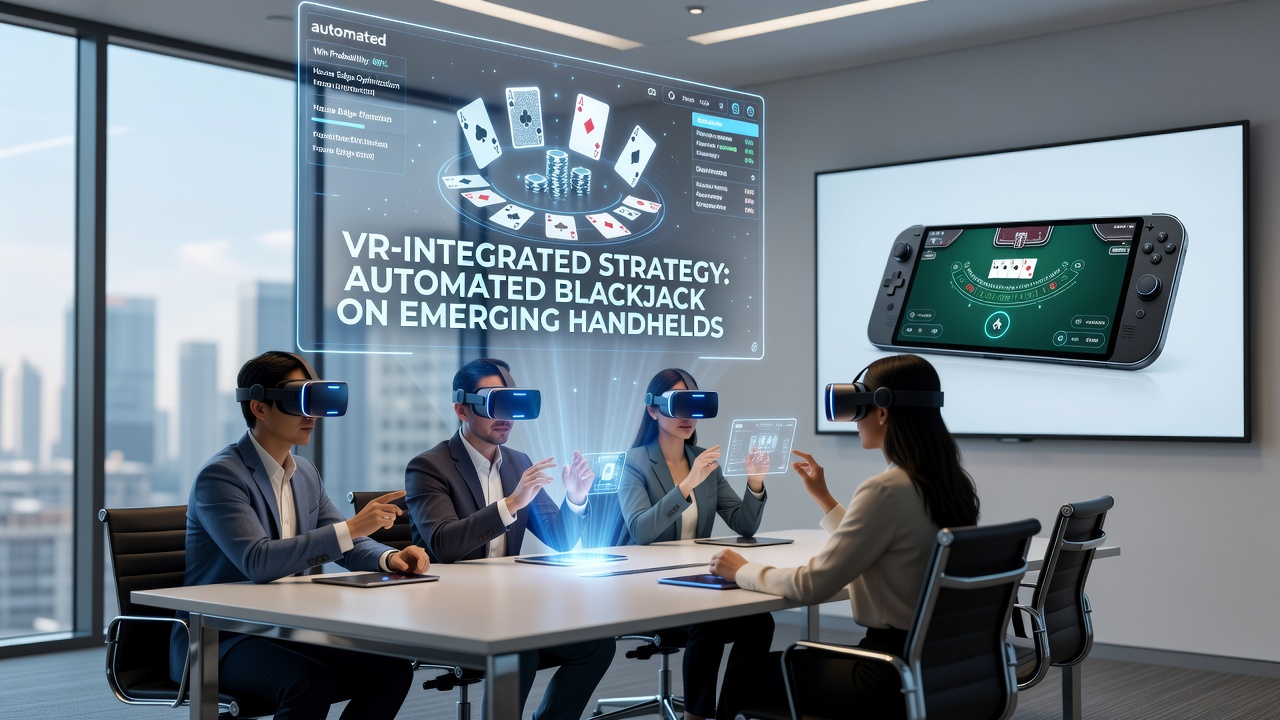
Virtual reality systems have started to merge with automated blackjack variants on portable devices, creating environments where players review decisions through three-dimensional simulations rather than flat screens. These integrations allow users to manipulate virtual cards, observe dealer patterns from multiple angles, and test betting sequences in controlled digital spaces. Data from platform operators indicates that sessions conducted in VR settings often extend longer than traditional mobile interfaces, with participants accessing layered statistical overlays during play.
Expansion of Automated Blackjack on Portable Systems
Automated blackjack variants operate without live dealers, relying instead on algorithmic shuffling and rule enforcement across digital tables. Emerging handheld platforms incorporate higher-resolution displays and processing units capable of rendering VR content at 90 frames per second or more. By August 2026, several manufacturers had released headsets weighing under 300 grams that connect directly to smartphones, enabling users to transition between standard mobile play and full immersion without additional hardware. Observers note that these devices support variants such as multi-hand speed blackjack and side-bet progressive options, all rendered within the same virtual space.
Developers have adjusted interface controls so that hand gestures replace button taps, letting players split pairs or double down through spatial interactions. Research conducted by the Nevada Gaming Control Board shows increased engagement metrics when VR tools supplement automated tables, particularly among users who review session replays to refine basic strategy charts.
Strategic Visualization and Decision Mapping
Strategy sessions benefit when players can view card distributions across a 360-degree field rather than a two-dimensional layout. VR environments display probability heatmaps that update in real time as users adjust parameters such as deck penetration or rule sets. Those who have tested these features report improved retention of optimal play sequences because the spatial representation aligns with how memory encodes positional information. Handheld platforms further support this by allowing users to pause simulations mid-hand and rotate viewpoints to examine hidden card possibilities from different perspectives.
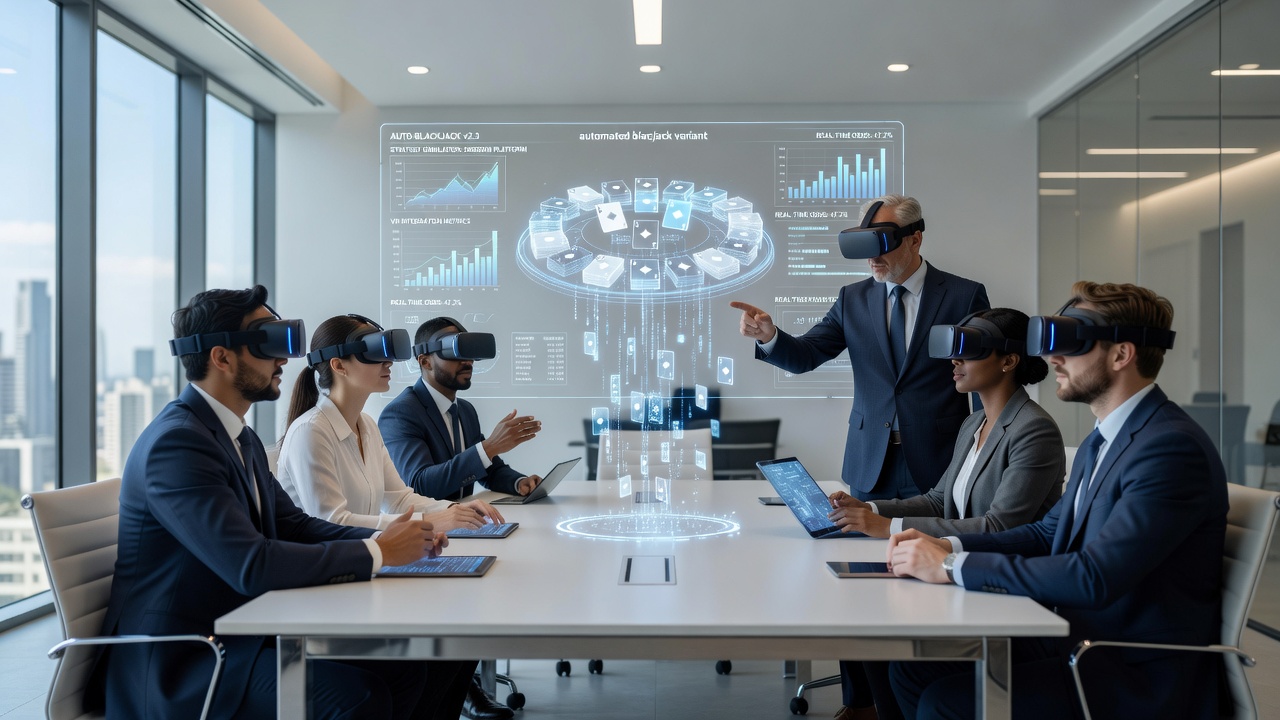
Case examples from Ontario iGaming operators illustrate how participants import historical hand data into VR modules to recreate specific scenarios. Users then experiment with alternative decisions while tracking expected value changes through floating numerical displays. Such tools connect directly to regulatory-approved random number generators, ensuring that simulated outcomes match live automated tables. According to figures released by iGaming Ontario, VR-assisted practice accounts for roughly 18 percent of total automated blackjack activity on select platforms during the first half of 2026.
Technical Requirements and Platform Compatibility
Emerging handheld devices must meet minimum specifications including at least 8 gigabytes of RAM and dedicated graphics processors to maintain stable VR frame rates. Wireless connectivity standards such as Wi-Fi 6E reduce latency between the headset and the game server, which proves essential when strategy adjustments occur within milliseconds of each card reveal. Software development kits released by major gaming suppliers now include VR-specific APIs that standardize how automated blackjack logic renders in three dimensions across different operating systems.
Compatibility testing conducted across multiple regions confirms that these integrations function on both Android-based handhelds and newer iOS models equipped with spatial computing features. Battery optimization routines adjust rendering quality dynamically, extending session duration while preserving the accuracy of probability calculations displayed to the user.
Regulatory Oversight and Data Tracking
Regulatory bodies track VR blackjack activity through the same reporting frameworks applied to standard automated games. Session logs capture decision timestamps, bet sizing patterns, and VR-specific metrics such as viewpoint dwell time on particular card piles. A joint study involving the European Gaming and Betting Association documented that VR users exhibit distinct strategy exploration behaviors compared with flat-screen participants, including more frequent consultation of in-game reference charts. These patterns remain subject to the same responsible gaming controls that apply across handheld platforms.
Conclusion
Virtual reality continues to integrate with automated blackjack variants on emerging handheld platforms through improved hardware, standardized software tools, and expanded regulatory monitoring. As of August 2026, adoption metrics reflect growing use of spatial visualization features that support strategy refinement without altering core game mechanics. Platform operators and device manufacturers maintain ongoing compatibility updates to sustain these capabilities across diverse user environments.