Taxation Dynamics Reshaping Net Returns from Digital Reel Spins and Athletic Outcome Wagers Across State Lines
Written by Yves Krüger · Jul 13, 2026
Taxation Dynamics Reshaping Net Returns from Digital Reel Spins and Athletic Outcome Wagers Across State Lines
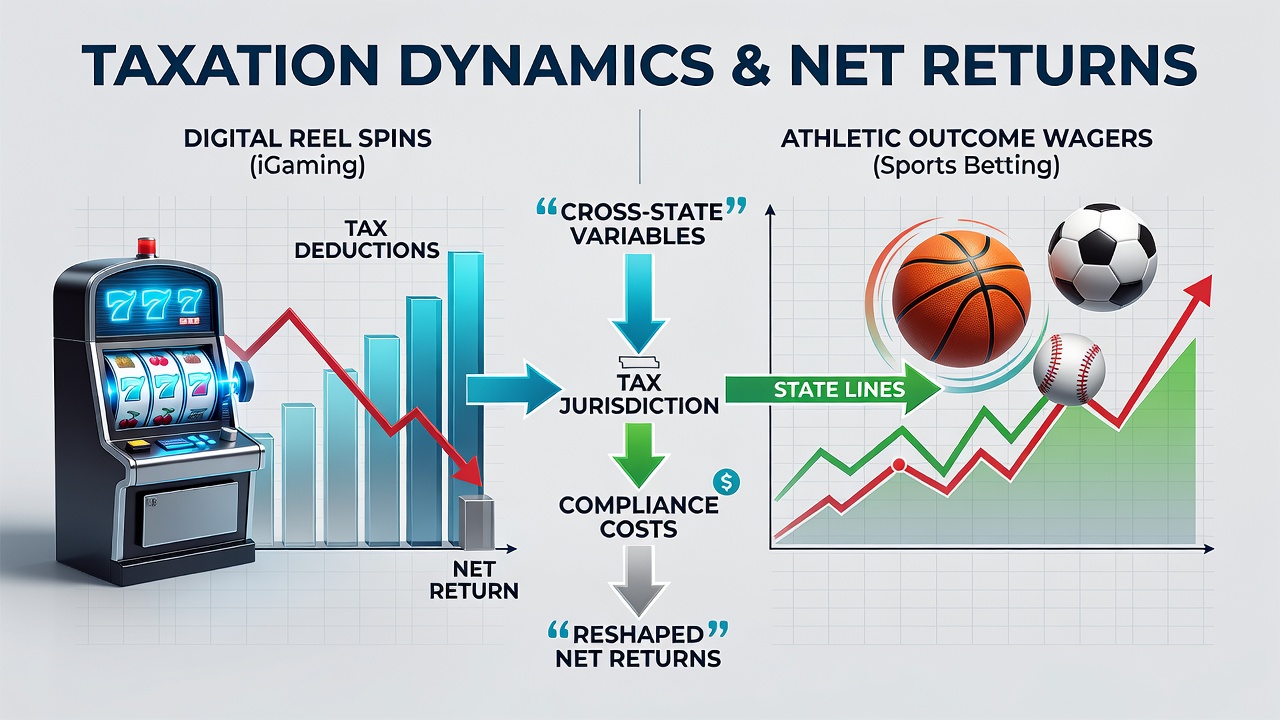
State-level taxation frameworks continue to alter the final amounts retained by participants after engaging with digital reel spins and athletic outcome wagers, and these differences emerge clearly when operators and players navigate multiple jurisdictions. Regulatory bodies in each state set withholding rates and reporting thresholds that directly reduce gross winnings before any funds reach individual accounts, which creates measurable gaps between advertised payouts and actual net returns.
State Tax Structures and Their Direct Effects
Observers note that New Jersey applies a flat 10.75 percent withholding on winnings above certain thresholds for both slot-style games and sports event predictions, whereas Pennsylvania adjusts its rate to 3.07 percent on sports wagering profits while maintaining higher effective burdens on automated reel outcomes through combined state and local levies. Data from the New Jersey Division of Gaming Enforcement shows these withholdings occur at the point of payout, which means a reported $10,000 win from digital spins yields $8,925 after mandatory deductions in one jurisdiction but leaves a different remainder under neighboring rules.
Operators licensed in multiple states must configure their platforms to apply the correct rate based on the player's verified location at the time of the wager, and this technical requirement adds layers of compliance that sometimes delay processing while ensuring accurate collection for each authority. Research indicates that participants crossing state lines, even virtually through geofencing technology, encounter these shifts automatically when their device registers in a new regulated zone.
Comparative Returns on Reel Spins Versus Athletic Wagers
Figures reveal that taxation often treats digital reel activity and sports outcome forecasting under separate schedules in states such as Michigan and West Virginia, where reel-based wins face higher marginal rates tied to gaming revenue classifications while athletic wagers align more closely with general income reporting. A player achieving consistent returns on mobile sports predictions may retain a larger percentage than one focused on reel mechanisms because the underlying tax code assigns different risk categories to each vertical.
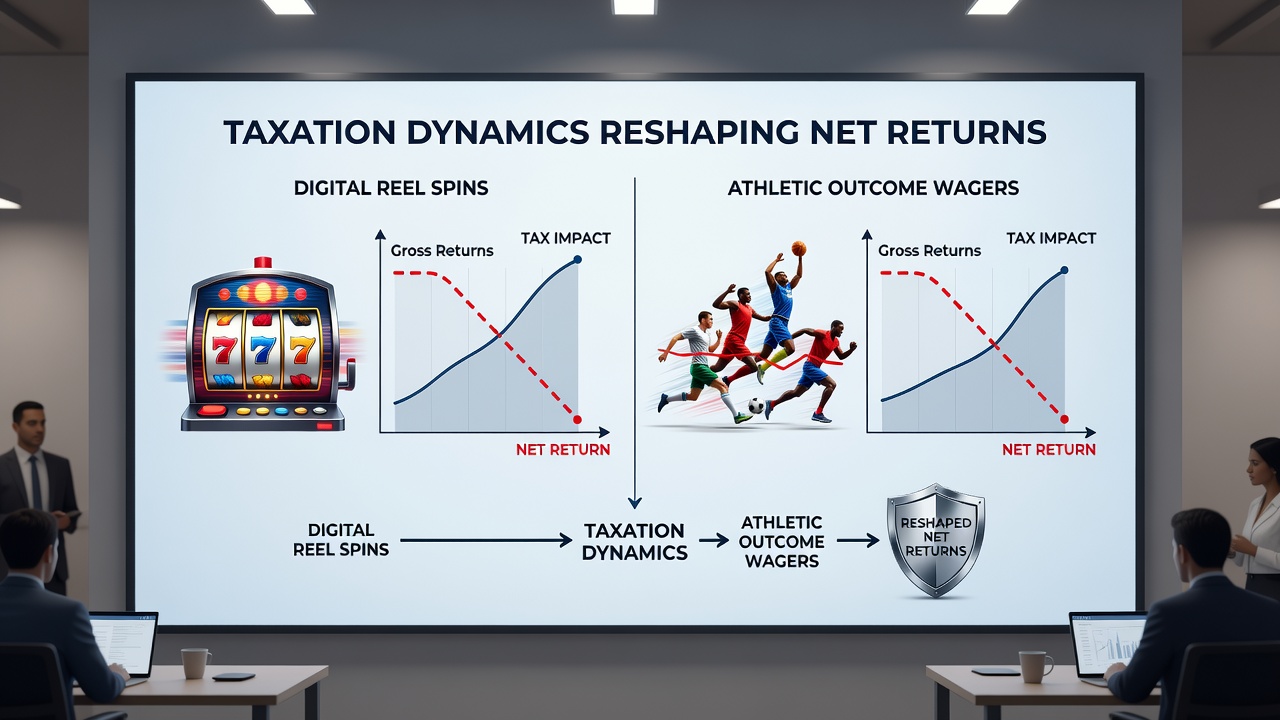
Those who study participation patterns across state borders find that July 2026 brought updated filing requirements in Illinois that synchronized digital gaming taxes with federal schedules, which streamlined reporting for individuals who engage in both categories yet introduced new documentation steps for operators handling interstate traffic. The change aligned Illinois practices more closely with neighboring Indiana, reducing some discrepancies that previously complicated multi-state play.
Cross-Border Implications for Participants
Participants who maintain accounts accessible from several states must track location-based deductions because winnings earned while physically present in one jurisdiction remain subject to that state's rules even if the operator holds licenses elsewhere. According to reports from the American Gaming Association, this geographic tagging prevents arbitrage attempts while creating administrative records that players later reconcile during annual tax filings. States without full online frameworks sometimes defer to federal guidelines, which produces lower immediate withholdings but shifts the burden entirely onto individuals at filing time.
Industry data shows that operators in Delaware and Rhode Island have adjusted bonus structures to offset tax impacts on athletic wagers, offering promotional credits that players apply before tax calculation occurs in some cases. These adjustments maintain participation levels without altering statutory rates, and similar mechanisms appear in reel-focused promotions where states permit them under existing gaming statutes.
Reporting Thresholds and Compliance Patterns
Thresholds for automatic reporting vary widely, with some states triggering Form W-2G issuance at $600 while others set higher limits that allow smaller wins to pass without immediate state capture. This variation means frequent smaller returns from digital spins accumulate differently depending on the participant's primary jurisdiction, and analysts tracking 2026 activity note increased coordination between state revenue departments to share player data across borders.
Those monitoring regulatory updates observe that operators now embed real-time tax estimators within account dashboards, allowing users to preview net outcomes before confirming a spin sequence or wager placement. Such tools draw from current state tables and update automatically when legislation changes, which reduces surprises at payout while maintaining full compliance with each authority's collection schedule.
Conclusion
Taxation dynamics across state lines continue to determine the precise net returns available from digital reel spins and athletic outcome wagers, with each jurisdiction applying distinct rates, thresholds, and reporting rules that operators must implement through location-aware systems. Recent adjustments in states including Illinois demonstrate ongoing evolution in these frameworks, and the resulting environment requires participants to account for geographic variables when evaluating potential outcomes from either vertical.