Streaming Platform Integration Reshaping Real-Time Athletic Outcome Markets in Browser Environments
Written by Viktor Friedrich · Jun 19, 2026
Streaming Platform Integration Reshaping Real-Time Athletic Outcome Markets in Browser Environments
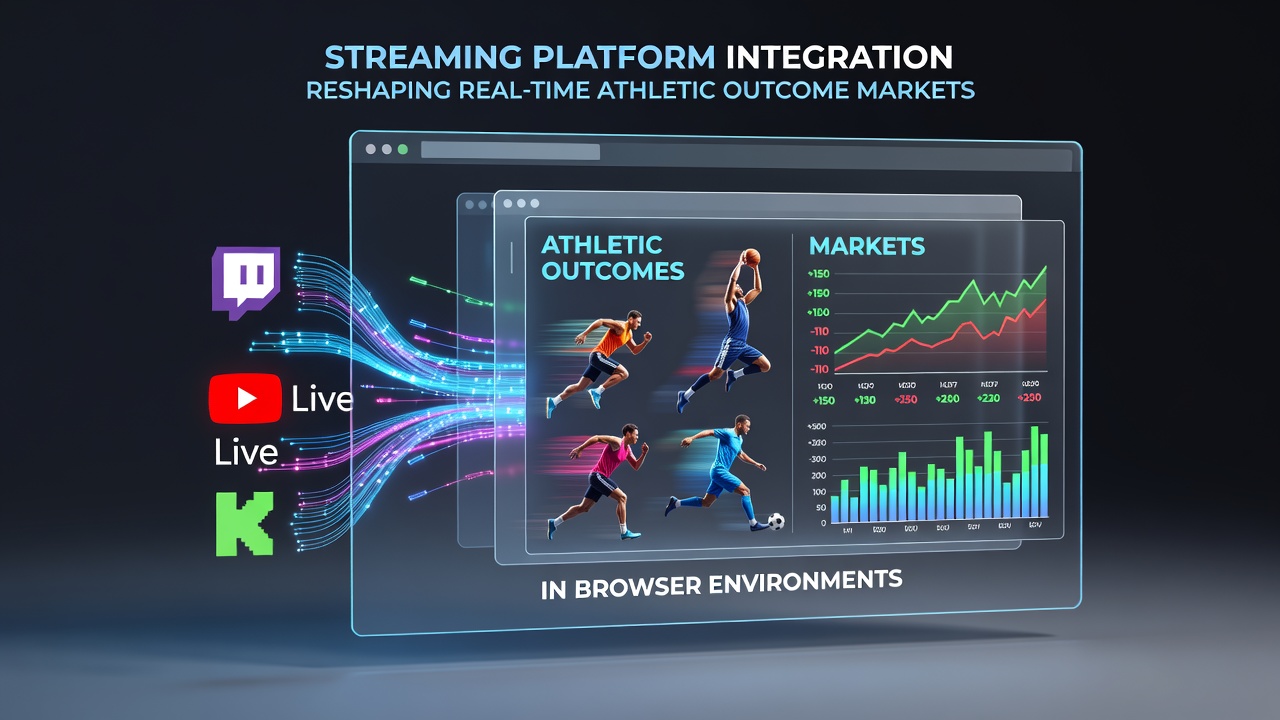
Streaming services now embed live athletic feeds directly into browser-based outcome markets, allowing users to access synchronized video alongside dynamic odds adjustments without leaving the tab. Data from industry analyses show this convergence accelerated notably after 2024 platform updates that standardized WebSocket protocols across major providers. Observers note that browser environments gained particular traction because they require no dedicated applications, which expands accessibility on desktops and laptops alike.
Integration occurs through APIs that pull real-time statistics from athletic events and feed them into pricing engines visible in the same window as the stream. Companies such as those operating major European sports networks adopted these connections by early 2025, resulting in measurable increases in session duration according to aggregated usage reports. Researchers documented similar patterns in North American markets where browser tools handle simultaneous video playback and market updates through optimized JavaScript frameworks.
Technical Mechanisms Driving the Shift
Modern browsers support low-latency data channels that transmit score changes, player statistics, and market movements within milliseconds of the on-field action. These channels operate alongside HTML5 video elements, creating a unified interface where users view the event while monitoring or engaging with outcome selections. Studies from academic institutions in Australia highlight how edge computing nodes positioned near content delivery networks reduce synchronization delays that previously disrupted fluid interactions.
Developers utilize progressive web application features to maintain state across tabs, ensuring that market fluctuations appear instantly even when multiple streams run concurrently. Figures released by Canadian regulatory bodies in 2025 indicated rising adoption rates for these browser configurations among users preferring desktop setups over mobile applications. The architecture relies on secure token exchanges that authenticate both the stream source and the outcome market provider within a single session.
Market Data and Adoption Patterns Through Mid-2026
Global transaction volumes in browser-hosted athletic outcome environments grew steadily through the first half of 2026, with June figures reflecting continued momentum from prior quarters. Reports compiled by the European Gaming and Betting Association track how integrated streaming raised average user engagement metrics across participating jurisdictions. Those metrics include time spent viewing live events paired with active market participation, a combination that standalone platforms historically struggled to match at scale.
Regional variations appear in adoption speed, with markets in Asia-Pacific regions showing faster integration of local streaming services into browser outcome tools. Data indicates that regulatory frameworks permitting such combined offerings contributed to this expansion, whereas stricter separation rules in certain areas slowed rollout. Analysts tracking these patterns emphasize the role of standardized data formats that allow multiple vendors to connect streams to pricing systems without custom development for each partnership.
User Interface Developments and Accessibility
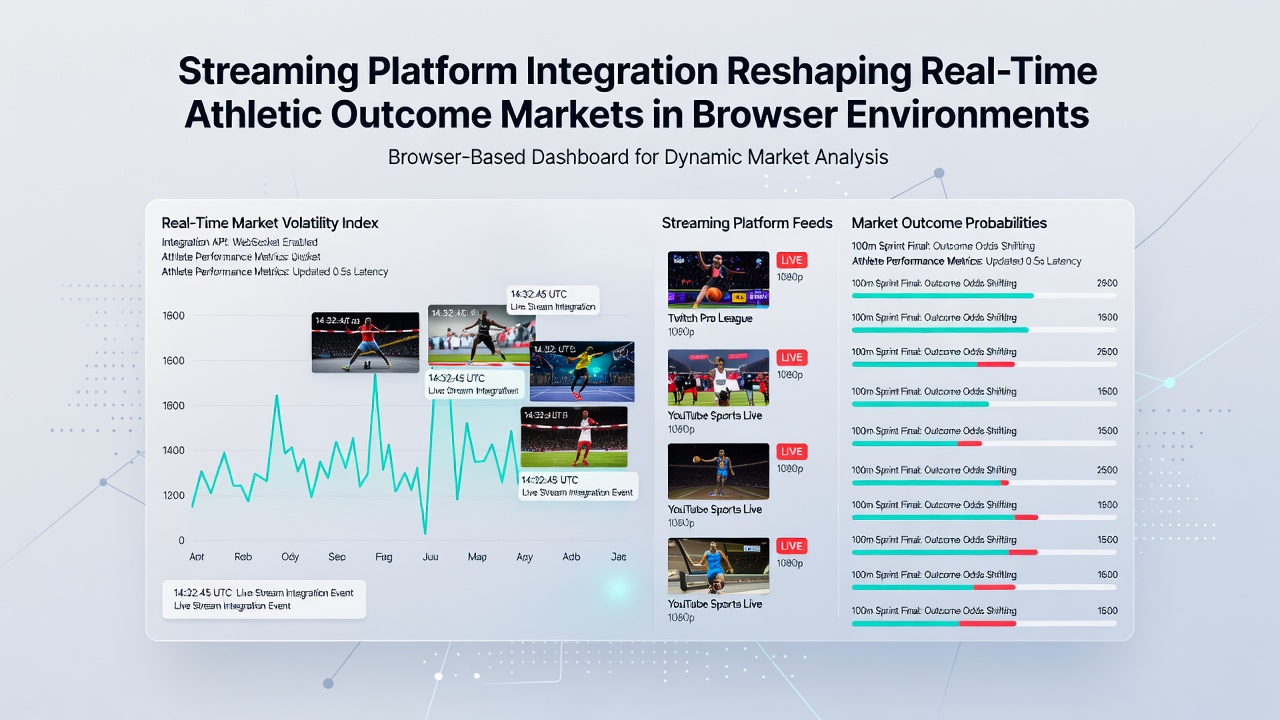
Design teams refined overlay controls so that outcome selections remain visible without obscuring the athletic feed, using collapsible panels and responsive scaling. Accessibility guidelines from international standards bodies encouraged features such as keyboard navigation and screen-reader compatibility for these combined environments. Usage logs reveal that many participants switch between full-screen video modes and split views depending on the intensity of market activity during key moments.
Security protocols embedded in these interfaces employ end-to-end encryption for both video packets and market instructions, addressing concerns that arose during earlier fragmented implementations. Observers point to case examples where browser-based systems processed simultaneous updates across thousands of concurrent sessions during major international tournaments held in spring 2026. Performance benchmarks published by university research groups confirm that optimized caching strategies keep resource consumption within acceptable limits for typical consumer hardware.
Regulatory and Infrastructure Considerations
Authorities in multiple regions updated compliance requirements to cover the merged presentation of streams and outcome markets within browsers, focusing on data protection and fair presentation of odds. These updates took effect at different times, with some frameworks active by June 2026 requiring clear separation between promotional content and core market information. Infrastructure providers responded by offering modular solutions that operators can configure to meet jurisdiction-specific rules without rebuilding core codebases.
Network operators invested in additional peering arrangements to handle the combined bandwidth demands of high-definition streams paired with frequent data refreshes. Evidence from traffic analyses shows peak loads occurring during evening hours in major time zones when live athletic schedules overlap with high market volatility periods. Such patterns prompted further refinements in adaptive bitrate streaming that prioritize outcome data integrity even when video quality temporarily adjusts.
Conclusion
Browser environments now serve as central hubs where streaming platforms and real-time athletic outcome markets operate as interconnected components rather than separate destinations. Continued technical standardization and regulatory alignment point toward sustained expansion of these integrated offerings through subsequent quarters. Market participants monitor performance indicators and compliance developments to maintain operational stability across diverse geographic regions.