Player Retention Patterns Linked to Interface Customization in Handheld Reel Mechanisms and Athletic Outcome Platforms
Written by Viktor Friedrich · Aug 14, 2026
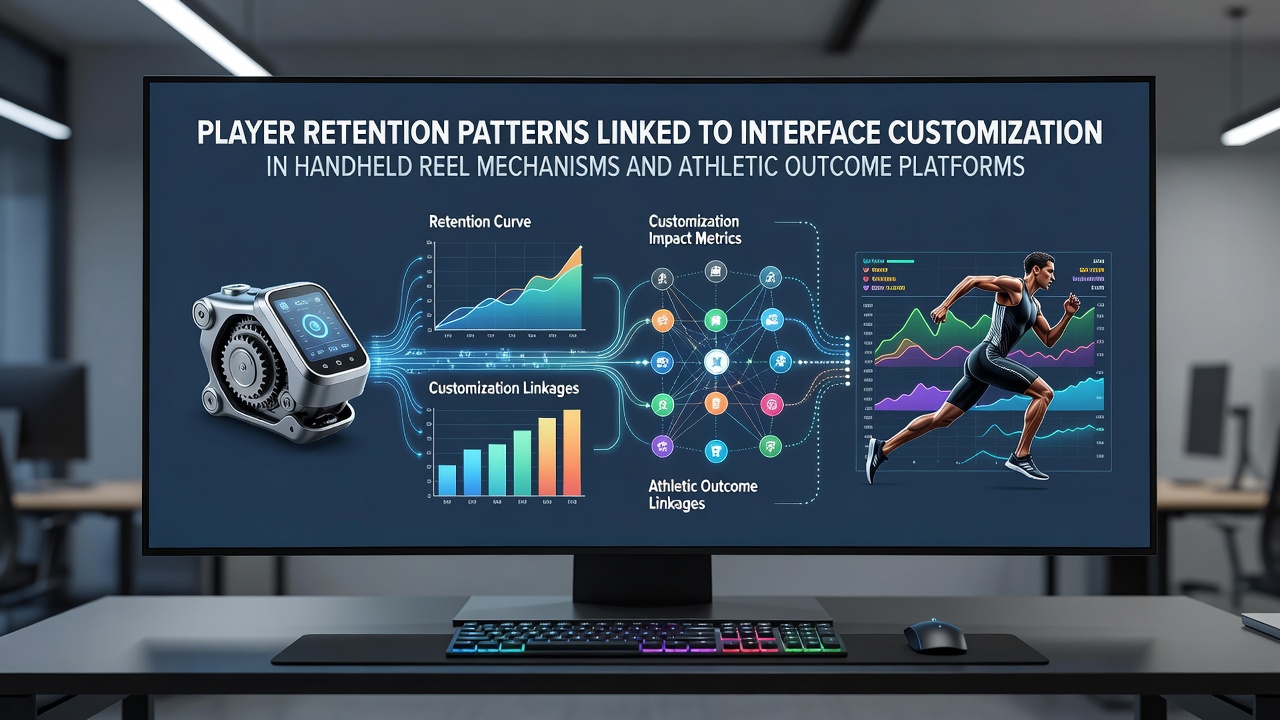
Player Retention Patterns Linked to Interface Customization in Handheld Reel Mechanisms and Athletic Outcome Platforms
Platform developers have documented clear connections between interface customization tools and longer user sessions on mobile reel mechanisms together with athletic outcome platforms, where players adjust layouts, color schemes, and notification preferences to match individual habits. Data collected through 2025 and into August 2026 reveals that retention metrics rise when users gain control over button placement, font sizes, and quick-access menus, since these changes reduce friction during extended play periods. Industry tracking shows that platforms offering such options record average session lengths extending by measurable percentages compared with fixed-interface versions.
Core Customization Elements in Reel and Prediction Interfaces
Handheld reel mechanisms allow players to modify reel spin speeds, sound levels, and win celebration animations while athletic outcome platforms support similar tweaks to odds display formats, team roster layouts, and real-time alert timing. Researchers at multiple institutions note that these adjustments align with user behavior patterns observed across thousands of accounts, leading to higher return rates within 30 days of initial download. Observers note that when customization remains limited, drop-off rates climb noticeably after the first week, whereas broader options correlate with sustained activity through the following month.
Regional Data Trends Through Mid-2026
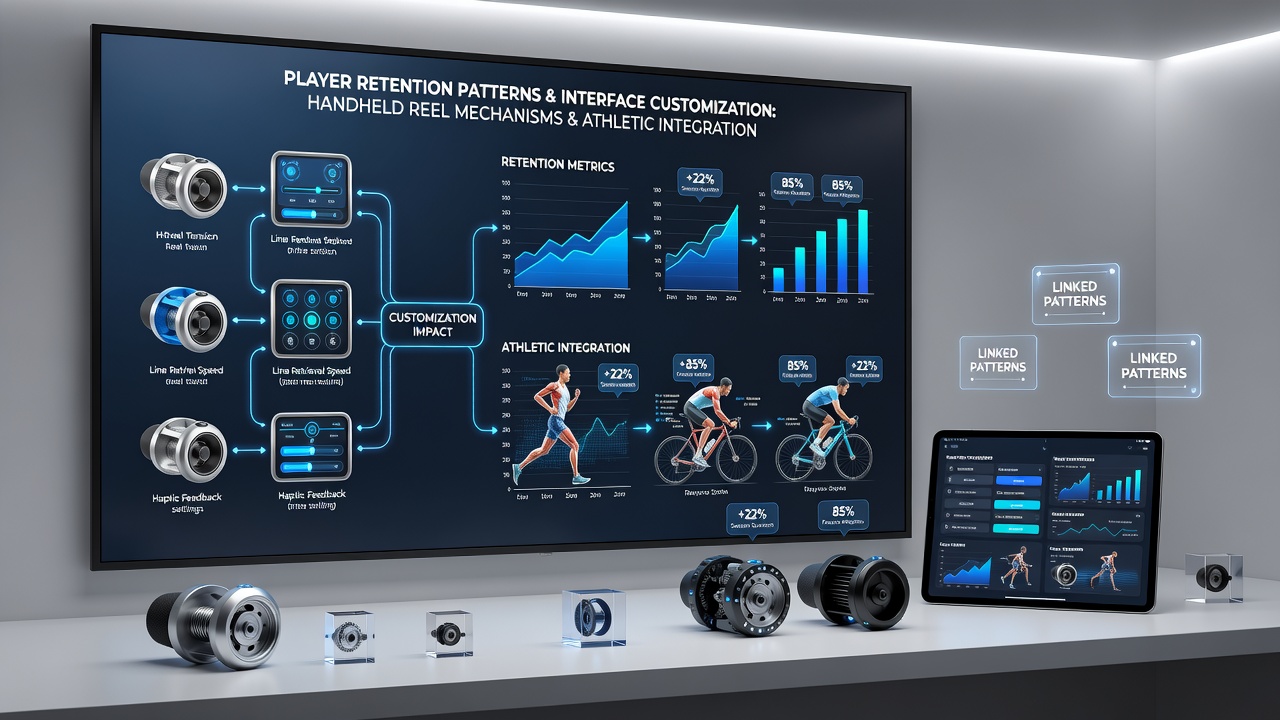
Reports compiled by the Responsible Gambling Council of Canada highlight retention improvements in provinces where mobile operators introduced drag-and-drop menu editors during early 2026 updates. Similar patterns appear in data from the Australian Gambling Research Centre, which tracked increased weekly logins after users personalized notification thresholds for both reel bonuses and sports event alerts. In August 2026, operators across several markets reported that accounts using at least three customization features showed 18 to 22 percent higher retention than accounts left at default settings.
Those studying user navigation find that players frequently reposition bet-slip controls on sports platforms or resize paytable windows on reel games, actions that coincide with extended time spent per visit. Platform logs indicate these modifications occur most often within the first three sessions, after which users settle into routines that keep them returning at consistent intervals.
Measured Impacts on Engagement Duration
Studies tracking clickstream data demonstrate that customized interfaces reduce task completion time for common actions such as placing a multi-leg sports prediction or adjusting reel bet denominations. This efficiency translates into more rounds completed before users exit, because fewer steps separate each decision point. Figures released in August 2026 from North American operators show that sessions featuring personalized quick-select buttons average 14 additional minutes compared with sessions on rigid layouts.
Retention curves flatten more gradually when players control visual density and information hierarchy, since overloaded screens often prompt early exits on both reel and prediction platforms. Developers have observed that color contrast adjustments and font scaling prove especially useful for users accessing platforms during varied lighting conditions, from bright outdoor environments to low-light evening use. These practical adaptations support continued engagement without requiring hardware changes.
Platform Implementation Approaches
Operators integrate customization through settings menus that appear after the first login, presenting sliders and toggles for audio cues, animation intensity, and data display density. Some systems remember user choices across devices when accounts link through cloud profiles, maintaining consistency for those who switch between phones and tablets. Analytics teams report that accounts carrying over preferences exhibit stronger month-over-month activity, because familiar setups lower the barrier to re-entry.
Case examples from multiple operators illustrate how A/B testing of default versus customizable versions produced divergent retention numbers, with the customizable arm maintaining higher active user counts after 60 days. The differences appear consistent across reel-focused apps and those centered on athletic outcomes, suggesting the pattern holds regardless of primary game type.
Conclusion
Available metrics through August 2026 establish that interface customization correlates with improved retention figures on handheld reel mechanisms and athletic outcome platforms. Operators continue refining these tools based on aggregated usage data, while research groups track long-term patterns to understand how specific adjustments influence return behavior over successive quarters. Continued monitoring will clarify whether these trends persist as platforms introduce further personalization layers.