Machine Learning Algorithms Enhance Promotional Timing in Mobile Live Dealer and Athletic Prediction Platforms
Written by Wendy Wagner · Jun 29, 2026
Machine Learning Algorithms Enhance Promotional Timing in Mobile Live Dealer and Athletic Prediction Platforms
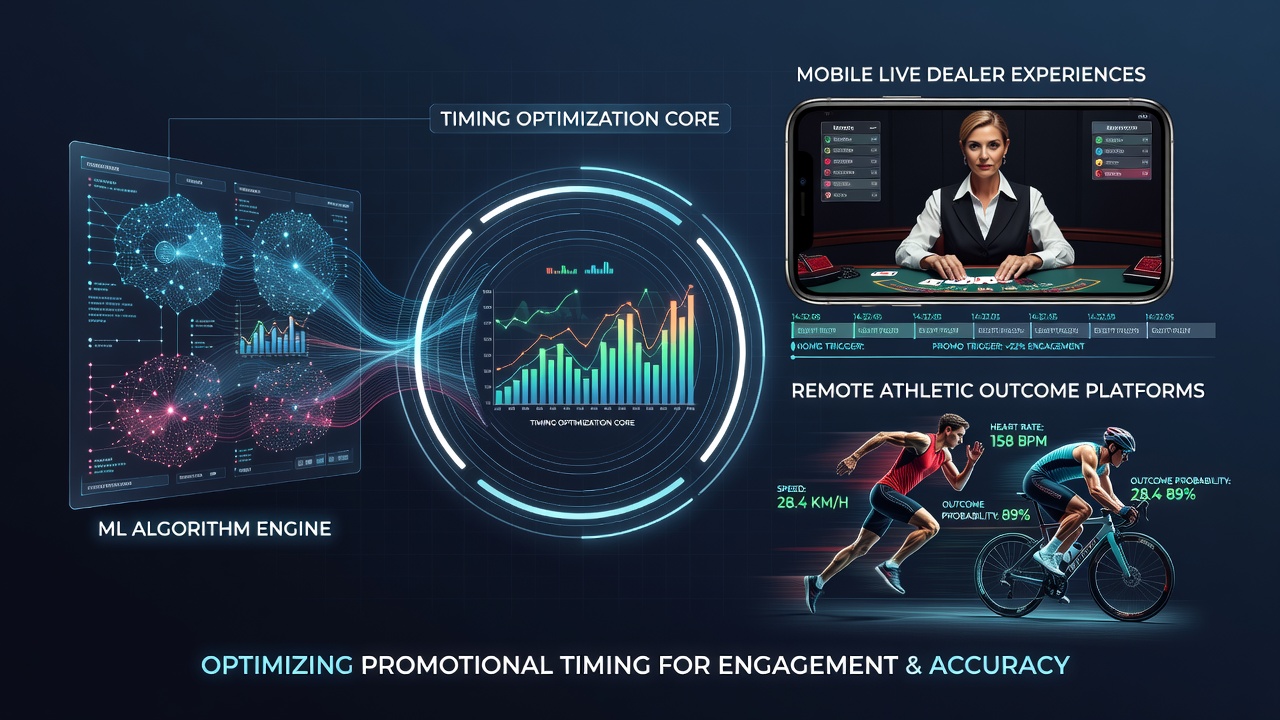
Operators in mobile live dealer environments and remote athletic outcome platforms rely on machine learning algorithms to determine when promotional offers reach users at peak responsiveness, and these systems analyze vast datasets that include user behavior patterns, session durations, and historical engagement metrics. Data from industry reports indicates that such algorithms process real-time signals from app interactions while predicting optimal windows for bonus deployments across different time zones and device types.
Core Mechanisms Behind Algorithmic Timing Optimization
Supervised learning models train on labeled datasets of past promotions and their outcomes, whereas reinforcement learning agents adjust strategies based on continuous feedback from user responses during live dealer sessions or live sports event predictions. These models incorporate variables such as time of day, day of week, recent deposit activity, and even weather conditions reported in specific regions, which researchers have linked to shifts in mobile engagement levels.
Clustering techniques group users by behavioral similarities, allowing platforms to deliver tailored promotions during moments when conversion rates historically rise, and this segmentation reduces wasted outreach while increasing the likelihood that offers align with individual playing rhythms. Observers note that platforms operating in June 2026 have integrated these clusters with location-based data to refine timing further, particularly for users accessing games during commute hours or evening peaks.
Application in Mobile Live Dealer Experiences
Live dealer platforms use predictive models to launch time-limited table game incentives when algorithms detect rising viewer counts in specific streams, and this approach coordinates with dealer schedules so that promotions coincide with popular variants like blackjack or roulette variants. Algorithms monitor chat activity and bet placement velocity to forecast when players are most receptive, then trigger offers that appear within the interface without disrupting gameplay flow.
One documented implementation involved a system that adjusted bonus visibility for mobile users based on average session length data, resulting in higher retention during extended dealer sessions because the timing matched periods of sustained attention. Researchers discovered that such adjustments rely on recurrent neural networks capable of processing sequential data streams from thousands of concurrent sessions simultaneously.
Optimization Strategies for Remote Athletic Outcome Platforms
Prediction markets and sports wagering apps apply similar machine learning frameworks to time promotions around event schedules, injury reports, and betting volume spikes, while natural language processing scans social media and news feeds for emerging storylines that could influence user interest. These algorithms identify windows just before major matches or during halftime breaks when users demonstrate elevated interaction rates with outcome forecasts.
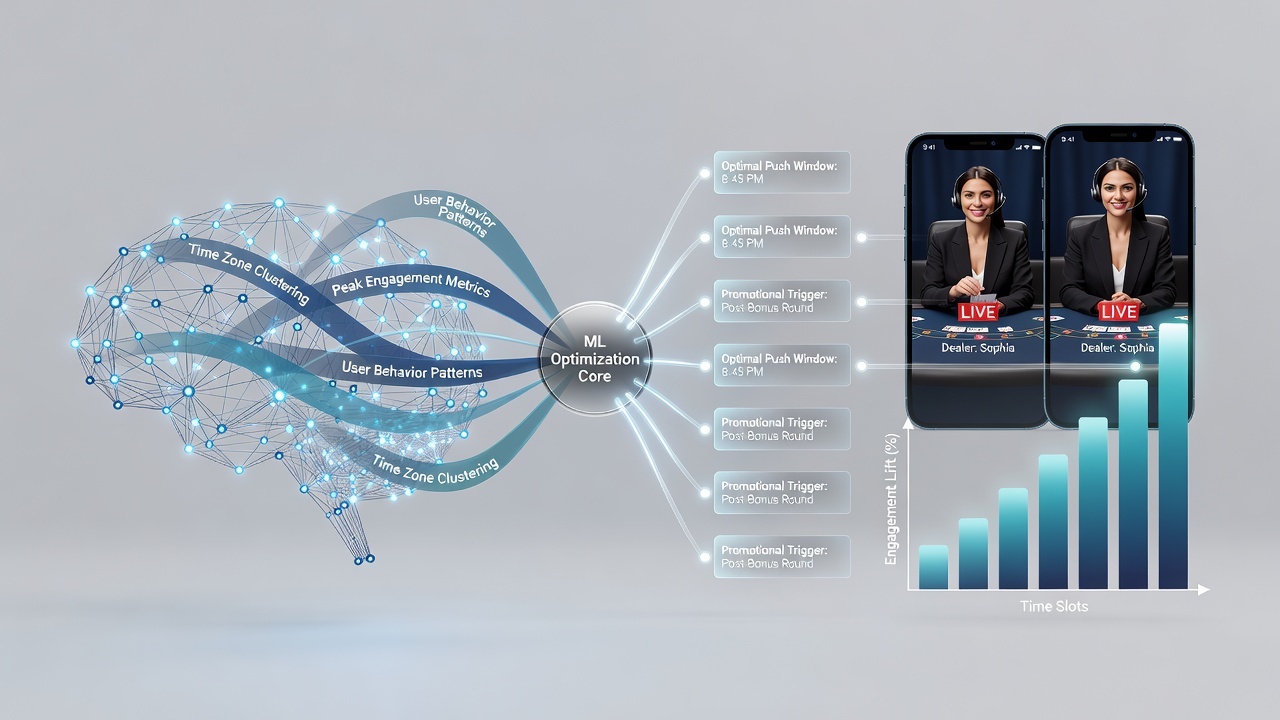
Figures from the European Gaming and Betting Association reveal that algorithmic timing reduced promotional overlap across competing events, allowing operators to maintain distinct campaign cycles that avoid user fatigue. The models further account for time zone differences by shifting delivery for international audiences, ensuring that an offer for a European football match reaches North American users during their local evening hours when engagement metrics peak.
Data Inputs and Model Training Processes
Training datasets combine anonymized transaction logs, app telemetry, and external indicators such as public event calendars, and these inputs feed into ensemble methods that combine multiple algorithms for more robust predictions. Cross-validation techniques test model accuracy against holdout data from prior months, confirming that timing recommendations outperform static schedules in conversion metrics.
Platforms update models weekly with fresh interaction records, which allows adaptation to seasonal changes like major tournament periods or holiday patterns that alter mobile usage habits. Experts have observed that incorporating biometric authentication timestamps as additional features helps refine predictions about when users complete identity verifications and become eligible for new offers.
Integration Challenges and Technical Solutions
Real-time processing demands low-latency infrastructure capable of handling simultaneous queries from mobile networks worldwide, and edge computing resources deployed closer to user locations help minimize delays in promo delivery. Privacy regulations require that algorithms operate on aggregated or anonymized data, which developers address through differential privacy methods that preserve pattern detection while protecting individual identities.
Testing environments simulate user cohorts to validate timing decisions before live deployment, and this step prevents unintended effects such as overlapping offers that could dilute perceived value. Data shows that successful integrations maintain separate models for live dealer versus sports prediction segments because user behavior patterns diverge significantly between the two formats.
Conclusion
Machine learning continues to refine promotional timing across mobile live dealer and remote athletic platforms through iterative improvements in data integration and predictive accuracy. As of June 2026, these systems demonstrate measurable impacts on engagement metrics while adapting to evolving user behaviors and regulatory environments. Ongoing research from academic institutions and industry groups supports further refinement of these approaches in the coming periods.