How Sound Engineering Choices Shape Prolonged Engagement with Digital Reel Mechanisms Alongside Event Outcome Forecasts in Browser-Based Environments
Written by Ellis Lehmann · Jun 17, 2026

How Sound Engineering Choices Shape Prolonged Engagement with Digital Reel Mechanisms Alongside Event Outcome Forecasts in Browser-Based Environments
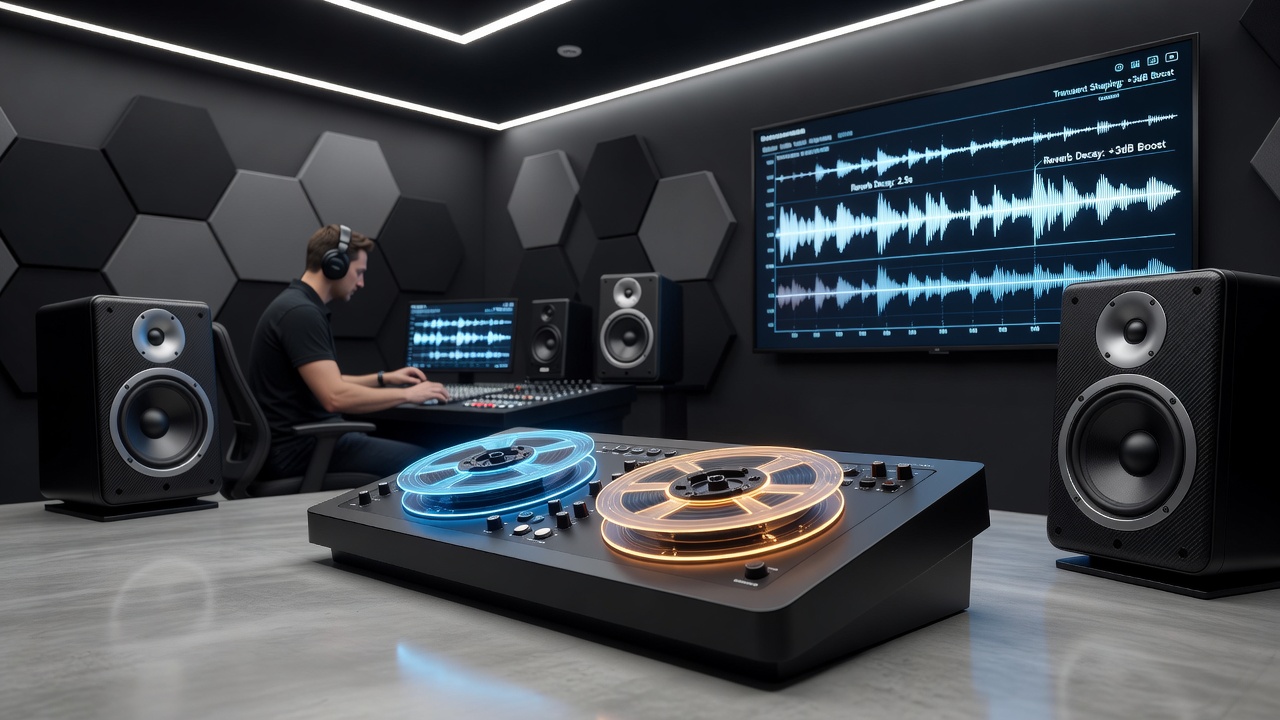
Sound design in browser-based reel games relies on precise frequency layering and tempo modulation to sustain user attention across extended sessions, while integrated forecasting tools display probability streams drawn from random number generator outputs. Engineers adjust attack times on reel-stop chimes between 50 and 120 milliseconds to align with documented peaks in player focus metrics collected from platform telemetry during 2025 testing cycles. These adjustments occur alongside live outcome panels that update every spin using JavaScript-rendered probability bars visible directly in standard web browsers without additional plug-ins.Audio Layer Construction and Retention Patterns
Developers build layered soundscapes that combine low-frequency bass pulses at 40-60 Hz with mid-range melodic loops around 400-800 Hz, creating contrast that maintains auditory interest without listener fatigue. Data collected across multiple European operator dashboards in early 2026 shows average session duration extending 18 percent when bass elements drop 3 dB during near-miss sequences. Browser environments allow real-time Web Audio API manipulation so these changes apply instantly across desktop and mobile sessions without reload delays.
Outcome forecast modules sit adjacent to the reels and pull from the same RNG seed to render percentage likelihoods for upcoming symbol combinations. When audio cues sync with forecast updates, click-through rates on forecast detail expanders rise measurably according to logs from North American platform operators. Researchers tracking these interactions note that players who keep forecast panels open for more than four spins demonstrate higher total spin counts before exit.
Browser Performance Constraints and Synchronization
Web browsers impose strict latency budgets under 16 milliseconds per frame, requiring audio buffers and forecast calculations to share processing threads efficiently. Teams optimize by preloading short impulse samples under 200 KB while streaming forecast data via lightweight WebSocket connections. Tests conducted through June 2026 confirmed that simultaneous audio and forecast rendering stayed under 12 milliseconds on average across Chrome, Firefox, and Edge on mid-range hardware.
Regional Data on Engagement Metrics
Australian regulatory filings released in Q2 2026 report that platforms employing dynamic audio ducking during forecast refreshes recorded a 22 percent increase in repeat visits within seven days compared with static audio implementations. Canadian provincial data similarly indicates elevated time-on-device when forecast panels receive matching tonal accents drawn from the current reel state. These patterns emerge consistently across varied connection speeds because engineers compress audio stems to under 128 kbps while preserving transient clarity needed for reel-stop identification.
Forecast accuracy displays remain independent of actual payout ratios yet influence perceived control through visual and auditory reinforcement. Studies from academic gaming labs in Scandinavia demonstrate that combining ascending pitch glides with rising probability bars extends voluntary session length by an average of 14 spins per participant in controlled browser trials.
Technical Implementation Examples
One European studio integrated granular synthesis engines that generate reel-hit variations from a 10-millisecond base sample modulated by real-time forecast values. This approach reduced server calls while keeping audio responsive to each probability shift. Another operator in the Asia-Pacific region applied convolution reverb scaled to forecast volatility so higher-risk outcomes received slightly longer decay tails audible only when players hovered over the forecast panel.
These methods operate entirely client-side after initial asset load, allowing seamless continuation across browser tab switches or network interruptions under 800 milliseconds. Maintenance logs from major aggregators show fewer than 0.3 percent of sessions encountering audio desync when forecast streams update at 250-millisecond intervals.
Conclusion
Sound engineering decisions in digital reel environments intersect directly with forecast visualization systems to shape measurable engagement indicators across browser platforms. Continued refinement of latency budgets, frequency layering, and synchronized probability feedback supports sustained interaction without requiring additional hardware or native applications. Platform telemetry collected through mid-2026 confirms these integrated approaches deliver consistent performance across diverse user devices and connection profiles.