Holiday Calendars Influence Stake Threshold Adjustments in Browser Card Simulations and Sports Forecasts
Written by Theo Hoffmann · Jul 6, 2026

Holiday Calendars Influence Stake Threshold Adjustments in Browser Card Simulations and Sports Forecasts
Operators managing browser-based card simulations and athletic forecast platforms routinely review holiday calendars when setting stake thresholds, and these adjustments reflect documented shifts in user activity patterns across multiple jurisdictions. Platforms track participation data around major dates such as Christmas, New Year, Easter, and summer breaks, then modify minimum and maximum bet limits to align with observed volume changes. Research from academic institutions shows that recreational users increase session frequency during these periods while professional players maintain steadier patterns, prompting operators to recalibrate thresholds accordingly.
Seasonal Activity Patterns in Digital Platforms
Data compiled by state regulatory bodies indicate that browser card simulations experience measurable spikes in login rates during December and January, and athletic forecast markets see similar upticks around major sporting events that coincide with public holidays. Operators respond by raising maximum stakes in high-traffic categories and lowering minimums in entry-level sections to accommodate broader user segments. These modifications occur through automated systems that reference pre-loaded holiday calendars rather than ad-hoc decisions, which allows consistent application across different time zones and regions.
Technical Implementation in Browser Environments
Developers integrate calendar APIs into backend management tools so that stake parameters update automatically at midnight on designated dates, and this process covers both card simulation modules and sports forecast interfaces within the same platform architecture. Australian research institutions have documented how these automated tweaks correlate with reduced complaint volumes regarding inaccessible bet sizes during peak holiday windows. The systems maintain separate rule sets for different game categories, ensuring that poker-style simulations and prediction markets receive tailored adjustments rather than uniform changes.
Observers note that platforms operating across North American and European markets often stagger threshold modifications to account for overlapping holiday schedules, and this approach prevents simultaneous overload on shared server infrastructure. Figures released by the Nevada Gaming Control Board demonstrate that adjusted stake ranges during holiday periods correspond with higher transaction counts per active account, although average bet values remain within established regulatory bands.
Regional Regulatory Approaches to Threshold Management
Canadian provincial authorities require operators to file advance notifications when holiday-related stake changes exceed predefined percentages, and these filings include supporting data on projected user volume. European gaming associations publish annual reports that compare threshold adjustment practices across member states, revealing that platforms in high-tourism areas implement more frequent modifications than those in regions with stable local populations. The variations stem from differences in holiday density and cultural emphasis on specific celebration dates rather than from operator preference alone.
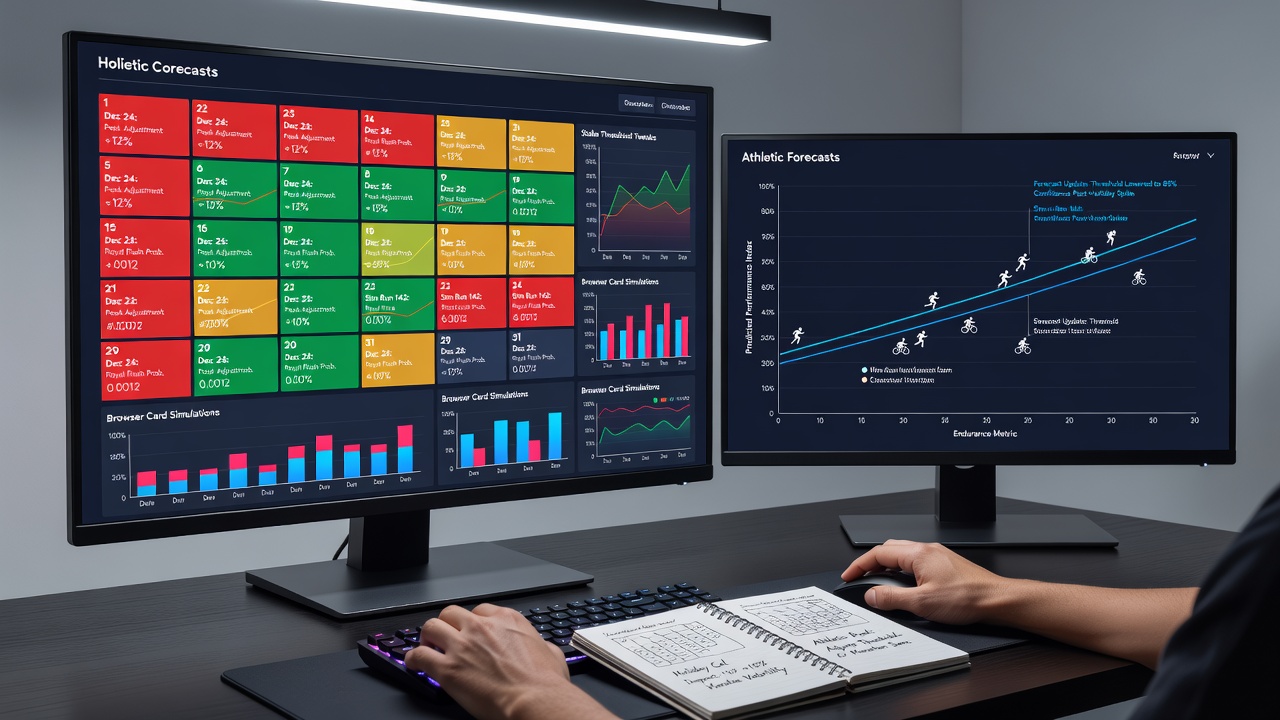
One study conducted by university researchers examined transaction logs from multiple browser platforms and found that stake threshold reductions during holiday periods increased new account registrations by measurable margins in both card simulations and sports forecast sections. The same analysis showed that maximum stake increases during these windows concentrated activity among established users without displacing lower-stake participants. These findings align with reports issued by industry trade groups that monitor global platform behavior.
Data Integration and Forecasting Models
Platform teams incorporate historical holiday performance metrics into predictive models that estimate required threshold ranges weeks in advance, and these models factor in variables such as concurrent sporting calendars and regional weather patterns that influence user availability. Adjustments undergo testing in limited environments before full deployment to verify that browser compatibility remains intact across common device types. Regulatory filings from multiple jurisdictions confirm that such preemptive planning reduces the need for mid-holiday corrections.
Platforms serving international audiences maintain separate holiday calendars for different geographic segments, which allows simultaneous operation of distinct stake configurations within a single user interface. This segmentation supports compliance with local rules while addressing the reality that users in one region may experience peak activity on dates that register as standard business days elsewhere. Trade association summaries indicate that this layered approach has become standard practice among larger operators.
Impact on User Interface Elements
Stake threshold displays update dynamically when calendar triggers activate, and users encounter revised ranges without navigating away from active sessions in card simulations or forecast markets. Interface logs collected by platform operators show that these seamless transitions correlate with sustained session durations rather than abrupt exits. The technical execution relies on server-side flag systems that reference the same holiday data sets used for marketing campaigns and promotional scheduling.
Industry reports from organizations tracking digital gaming trends note that platforms incorporating holiday calendar data into threshold management achieve more stable revenue curves compared with those applying static limits year-round. The difference appears in aggregated transaction statistics rather than individual user behavior, and regulatory submissions often include these comparisons as supporting documentation for operational changes.
Conclusion
Holiday calendar integration into stake threshold systems represents a standardized operational practice across browser card simulation and athletic forecast platforms. Regulatory filings, academic studies, and industry association reports document the technical methods adn regional variations that shape these adjustments. As platforms continue refining automated calendar systems, threshold modifications tied to specific dates remain a consistent feature of browser-based gaming environments through 2026 and beyond.