Examining how regional economic shifts influence transaction method preferences during extended sessions on digital entertainment platforms
Written by Yves Krüger · Jul 29, 2026
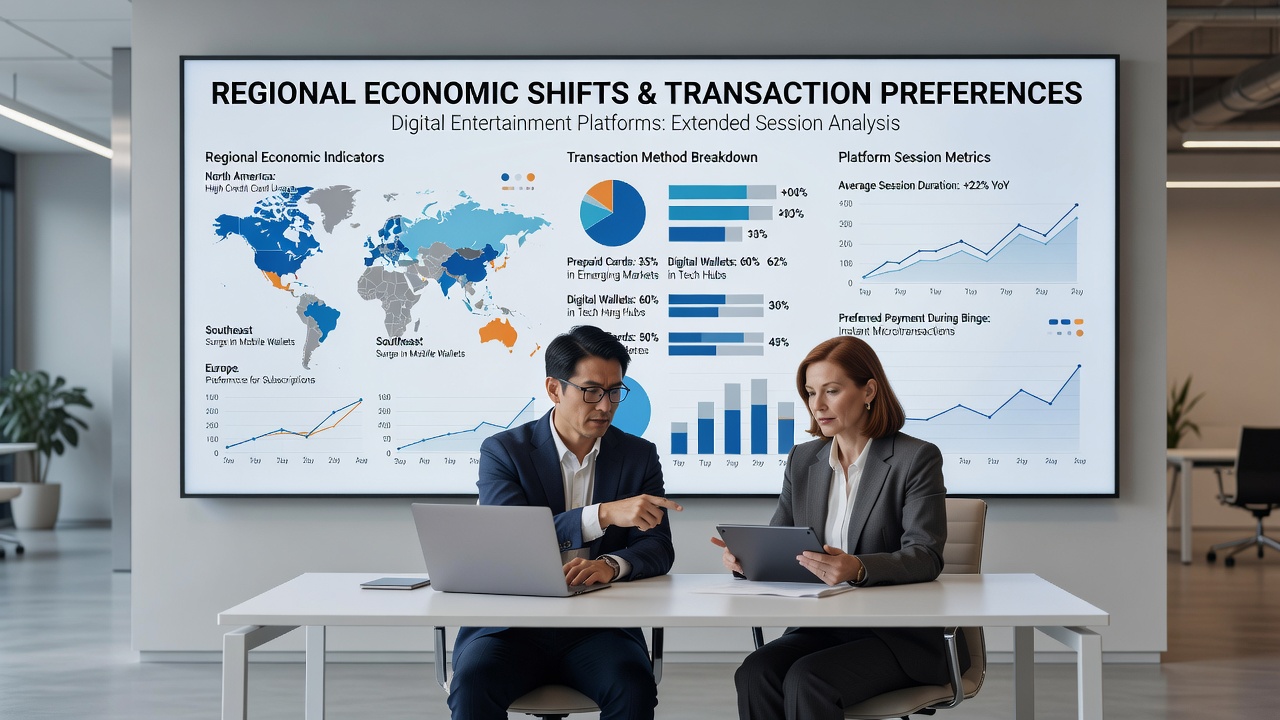
Examining how regional economic shifts influence transaction method preferences during extended sessions on digital entertainment platforms
Regional economic shifts have long shaped how users select transaction methods when engaging with digital entertainment platforms for hours at a time, and data collected through 2026 continues to highlight these patterns across multiple continents. Inflation spikes in certain manufacturing hubs, currency fluctuations in export-driven economies, and recovery trajectories following slowdowns all correlate with measurable changes in preferred payment tools during extended streaming, gaming, and content consumption sessions.
Analysts tracking transaction logs from major platforms note that users in regions experiencing rising living costs often migrate toward methods offering deferred billing or lower immediate fees. This pattern emerged clearly in parts of Southeast Asia during the first half of 2026, where central bank reports documented increased adoption of local digital wallets over international credit cards for marathon viewing periods on video services.
Economic Indicators and Payment Behavior
Figures released by the Reserve Bank of Australia in early 2026 showed household spending adjustments that aligned with shifts toward prepaid options and bank transfers on entertainment platforms. Users in affected areas extended session lengths while favoring methods that avoided foreign transaction fees, particularly during multi-hour live event streams and open-world game sessions. Similar trends appeared in Canadian provinces where provincial economic reports linked slower growth to higher usage of integrated platform balances rather than recurring card charges.
Those who study user navigation data observe that prolonged sessions amplify these preferences because repeated micro-transactions become more noticeable when budgets tighten. Platforms record longer average engagement times when payment friction decreases, and regional downturns accelerate experimentation with alternative rails such as instant bank links or loyalty-linked credits.
Regional Variations in Transaction Preferences
Across the European Union, data compiled by teh European Central Bank through mid-2026 indicated that areas with persistent energy price pressures saw elevated selection of single-click stored balances during extended mobile game sessions. Users avoided repeated card authorizations that could trigger temporary holds, opting instead for methods that settled instantly from existing platform funds. In contrast, regions with stronger export performance maintained higher credit card penetration even in long-duration entertainment use.

North American metropolitan areas experiencing manufacturing sector contractions displayed parallel movement toward e-wallet integrations that aggregate multiple funding sources. Platform telemetry from July 2026 revealed that sessions exceeding three hours featured more frequent switches to these aggregated methods when local unemployment metrics ticked upward. Observers tracking these logs note the change occurs gradually, with users testing alternatives during shorter sessions before committing them to extended play or viewing blocks.
Platform Adaptations and Data Patterns
Digital entertainment services respond to these regional signals by surfacing payment options that match local economic conditions. In markets where currency volatility rose sharply, platforms introduced more prominent displays of local currency billing and real-time conversion previews. Researchers examining aggregated anonymized data find that such adjustments coincide with sustained session lengths even when broader consumer confidence dips.
One longitudinal review of transaction records across Latin American markets linked slower GDP growth periods to increased preference for carrier billing during extended social media and streaming marathons. This method allows charges to appear on monthly phone statements, spreading costs without requiring immediate card or wallet top-ups. Similar carrier-linked options gained traction in parts of Africa where banking infrastructure varies widely by region.
Future Monitoring and Ongoing Trends
Continued collection of session and payment data through the remainder of 2026 will clarify whether these correlations strengthen or moderate as economic conditions evolve. Trade organizations and academic research groups continue to publish comparative studies that isolate economic variables from platform design changes, providing clearer pictures of cause and effect. Patterns observed so far suggest that transaction method preferences remain sensitive to localized indicators even as global platform architectures standardize many features.
Conclusion
Regional economic shifts continue to drive measurable differences in how users complete transactions during extended digital entertainment sessions. Data from multiple regulatory and central banking sources demonstrate consistent correlations between local conditions and payment tool selection across diverse geographic markets. These patterns persist through mid-2026 and offer ongoing material for analysis by researchers examining the intersection of economics and digital platform behavior.