Device Compatibility Factors Driving Variations in Bonus Redemption Rates Across Virtual Reel Mechanisms and Live Athletic Prediction Interfaces on Handheld Technology
Written by Theo Hoffmann · Aug 21, 2026
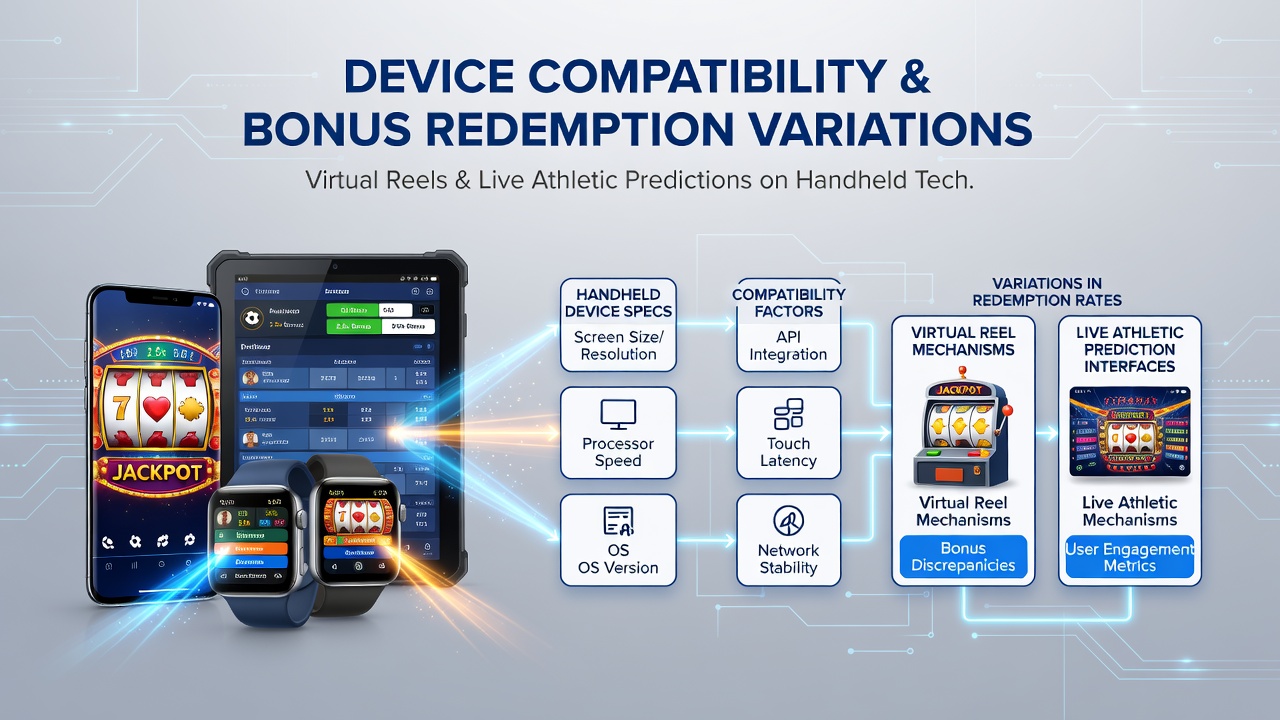
Device Compatibility Factors Driving Variations in Bonus Redemption Rates Across Virtual Reel Mechanisms and Live Athletic Prediction Interfaces on Handheld Technology
Device compatibility plays a central role in how users complete bonus redemptions on virtual reel mechanisms and live athletic prediction interfaces accessed through handheld technology, and data from multiple markets shows clear differences tied to operating systems, hardware generations, and network conditions. Researchers tracking mobile gambling patterns note that iOS devices often process bonus claim sequences faster than many Android configurations because of standardized app store requirements and uniform graphics rendering pipelines, while older Android handsets encounter delays when loading complex reel animations or real-time odds updates.
Screen resolution and processing power further separate redemption success rates across these platforms, since virtual reel mechanisms require smooth frame rates to display spinning symbols without interruption, and live athletic prediction interfaces depend on low-latency connections for in-play adjustments. Studies compiled by regulatory bodies indicate that devices with less than 4 GB of RAM frequently drop bonus sessions midway through verification steps, particularly when users attempt to switch between reel games and sports prediction tabs within the same application.
Operating System Variations and Redemption Flow
Android fragmentation creates measurable differences in bonus redemption completion compared with iOS uniformity, because manufacturers release devices with varying Android versions and custom skins that affect how promotional code entry fields render and validate. Data collected through August 2026 shows redemption rates on newer Android 14 and 15 devices aligning closer to iOS figures, yet handsets still running Android 11 or earlier continue to lag behind by double-digit percentages in several regional markets.
Live athletic prediction interfaces add another layer because they pull live data feeds that must sync with bonus eligibility checks, and compatibility issues surface when browsers on certain devices fail to maintain WebSocket connections during high-traffic events. Observers note that users on flagship models complete these steps more reliably, while budget devices often require multiple refresh attempts before a bonus activates.
Hardware Limitations and Interface Performance
Processor speed and GPU capabilities directly influence how virtual reel mechanisms display bonus rounds without lag, which in turn affects whether players finish the redemption process before session timeouts occur. Research from the Nevada Gaming Control Board highlights that devices equipped with mid-range chipsets experience higher abandonment when bonus animations exceed certain graphical thresholds, whereas premium models maintain steady frame delivery throughout the sequence.
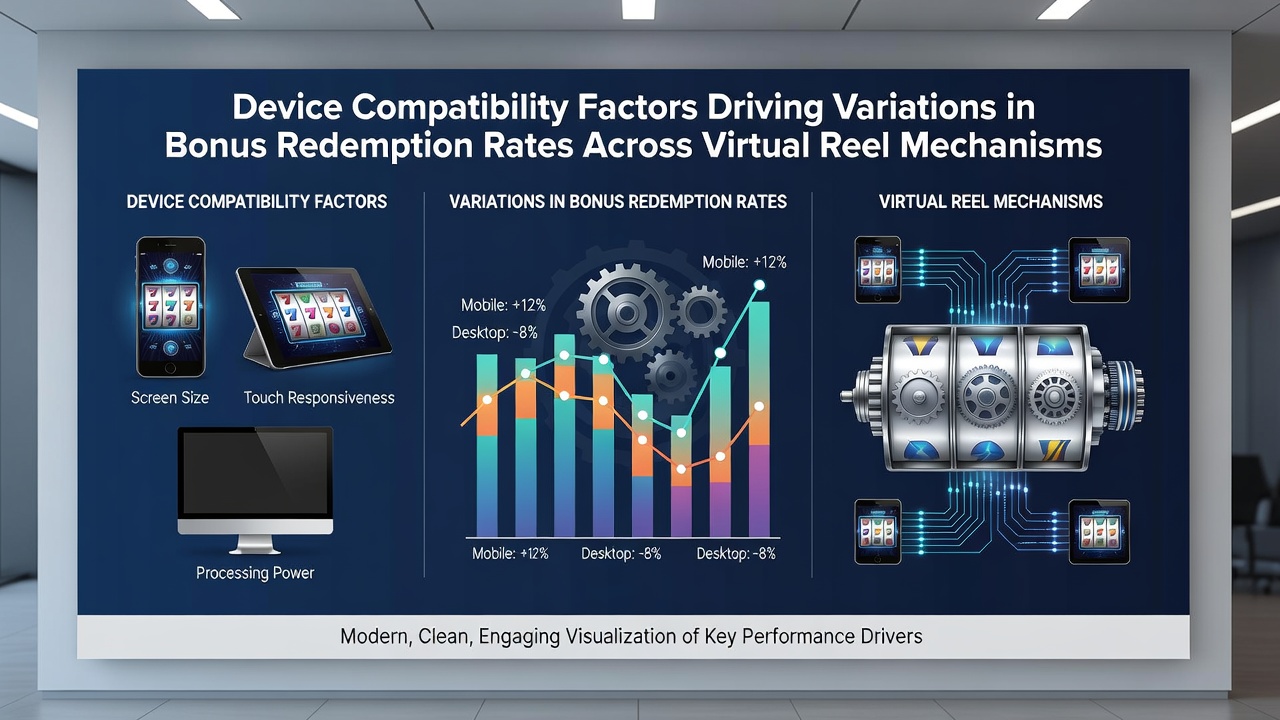
Memory management also contributes to variations, because applications running live athletic prediction interfaces must hold multiple data streams simultaneously, and insufficient RAM leads to background process termination that cancels active bonus redemptions. Those monitoring usage patterns report that users on devices with 6 GB or more of RAM complete these actions at higher rates than those limited to 3 GB or less, especially during simultaneous reel spins and sports event tracking.
Network and Browser Factors in Mobile Environments
Connection stability interacts with device compatibility when bonus redemptions require server-side validation, and 5G-enabled handsets generally outperform older 4G models in maintaining uninterrupted sessions across both virtual reel and prediction interfaces. Reports from the Malta Gaming Authority indicate that packet loss on certain device-network combinations triggers repeated authentication loops, which reduce overall redemption completion within time-limited promotional windows.
Browser choice further modulates outcomes on handheld technology, since some mobile browsers cache bonus-related scripts more efficiently than others, allowing faster loading of reel mechanisms and prediction dashboards. Analysts examining cross-device data find that users who rely on default system browsers encounter fewer interruptions than those using third-party options with heavier resource demands.
Regional Data Patterns and Platform Trends
Geographic differences appear in how compatibility issues translate into redemption rate gaps, with markets that have higher adoption of newer handsets showing narrower spreads between operating systems. Figures released in mid-2026 reveal that regions with rapid device turnover record more consistent bonus uptake across reel and sports prediction products, whereas areas with longer device replacement cycles display wider variances tied to hardware age.
Application updates play a supporting role because developers often optimize new releases for current flagship specifications first, leaving older devices to operate on legacy code that processes bonus logic more slowly. Industry reports tracking these patterns confirm that staggered rollout schedules contribute to temporary dips in redemption rates until broader compatibility patches reach wider device populations.
Conclusion
Device compatibility continues to shape redemption outcomes for virtual reel mechanisms and live athletic prediction interfaces on handheld technology through the combined effects of operating system versions, hardware specifications, and network interactions. Data gathered across multiple jurisdictions shows these factors produce measurable rate differences that operators track when refining mobile platforms, and ongoing hardware evolution suggests continued monitoring will remain necessary as new device generations enter widespread use.