Biometric Authentication Methods Streamlining Access to Promotional Offers in Remote Table Game Environments and Mobile Sports Predictions
Written by Wendy Wagner · Jun 1, 2026
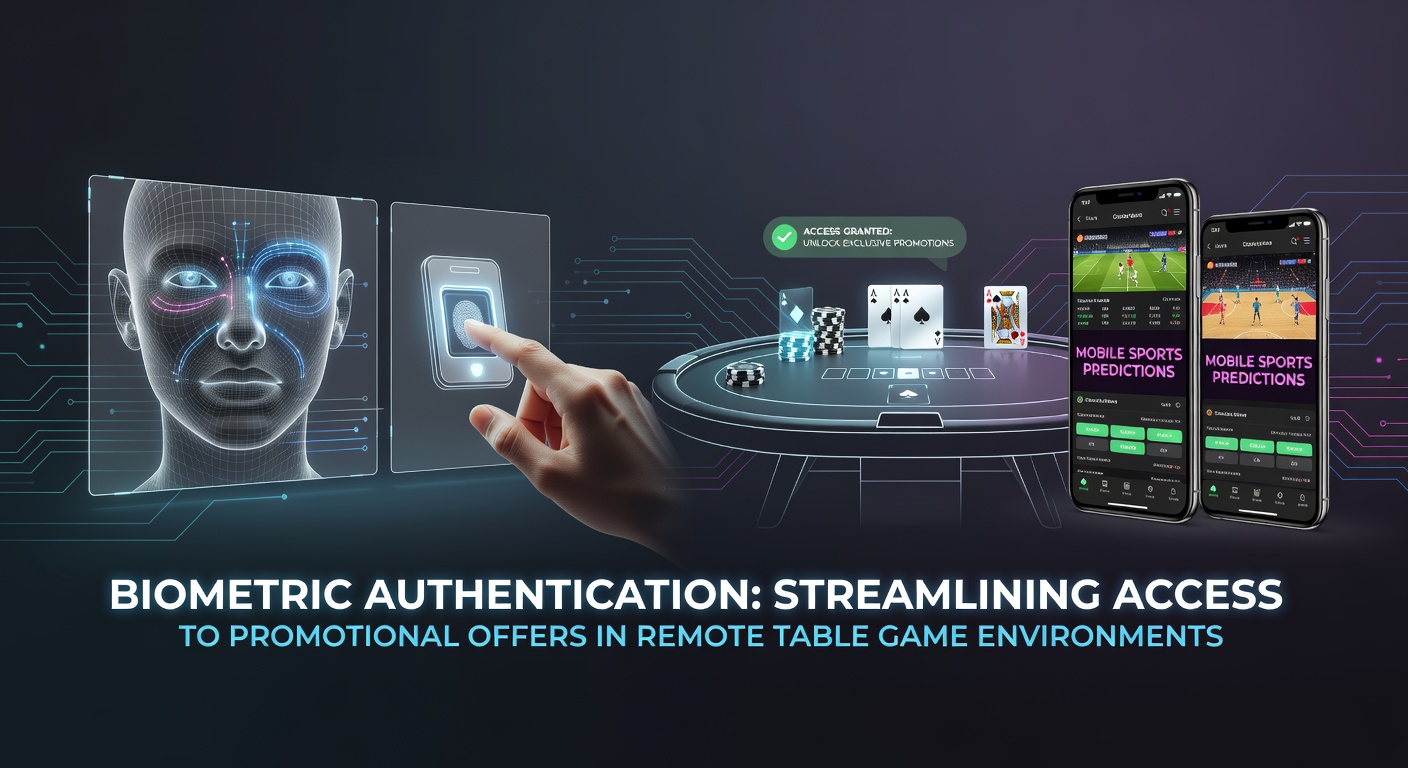
Biometric Authentication Methods Streamlining Access to Promotional Offers in Remote Table Game Environments and Mobile Sports Predictions
Biometric authentication has emerged as a key tool for operators managing remote table game platforms and mobile sports prediction apps, where fingerprint scans, facial recognition, and iris verification replace traditional passwords to unlock promotional offers. These systems verify user identity through unique physiological traits, allowing seamless entry to bonuses, free bets, and loyalty rewards without repeated logins or manual code entries. Data from industry reports indicates that adoption rates climbed notably by June 2026, driven by regulatory pushes for stronger security alongside faster user experiences.
How Biometric Systems Integrate with Gaming Platforms
Remote table game environments, including virtual blackjack and poker rooms, rely on biometric checks to confirm player eligibility for time-sensitive promotions such as deposit matches or tournament entries. Mobile sports prediction services apply similar protocols during live event wagers, where users authenticate once to claim prediction bonuses or enhanced odds offers. The process typically involves a one-time enrollment that stores encrypted biometric templates on secure servers, followed by quick scans that grant immediate access. Research from the University of Nevada, Las Vegas shows these methods reduce authentication time by up to 70 percent compared to PIN-based systems, which helps players engage with offers before they expire.
Operators combine biometrics with device sensors and behavioral analytics to create layered verification, ensuring that promotional redemptions stay tied to verified accounts. This setup supports compliance with varying state rules across the United States, where different jurisdictions require documented identity confirmation before bonus distribution.
Benefits for Promotional Delivery in Table Games and Sports Betting
Table game platforms use biometric gates to streamline entry into remote sessions that feature dynamic promotions tied to specific tables or dealer interactions. Players who complete a facial scan gain instant visibility into personalized offers without navigating multiple menus. In mobile sports prediction environments, the same technology activates during high-volume periods like major league events, letting users claim prediction-based rewards through a single verification step. Figures released in mid-2026 by the Nevada Gaming Control Board highlight a 45 percent increase in promotional claim rates among operators who deployed biometric tools the previous year.
Security protocols built into these systems encrypt biometric data at the point of capture, which limits exposure during transfers between mobile apps and backend servers. Observers note that this approach aligns with broader industry standards set by groups such as the European Gaming and Betting Association, which emphasize data protection alongside operational efficiency.

Implementation Trends Across Mobile Environments
By June 2026, several major platforms had expanded biometric options to cover both fingerprint and facial methods, accommodating different device capabilities and user preferences. Remote table game providers integrated these tools into live dealer interfaces, allowing participants to authenticate mid-session when new promotional tiers became available. Mobile sports prediction apps applied similar features at the point of wager placement, where verified users received tailored prediction bonuses based on historical activity patterns.
Case studies from operators in New Jersey and Pennsylvania demonstrate that biometric-linked promotions experienced fewer abandoned claims, since users no longer encountered friction from forgotten credentials or expired sessions. The technology also supports multi-device access, letting players switch between tablets and smartphones while maintaining continuous eligibility for ongoing offers.
Regulatory and Security Considerations
Regulatory bodies require that biometric data handling meets strict encryption and storage guidelines before operators can tie verification to promotional systems. In Canada, provincial regulators such as the Alcohol and Gaming Commission of Ontario have outlined frameworks that permit biometric use provided operators conduct regular audits and obtain explicit user consent. These rules help prevent unauthorized access to bonus funds while supporting the rapid delivery of incentives in remote settings.
Industry analyses indicate that biometric adoption correlates with lower rates of account sharing, which in turn protects the integrity of promotional structures across both table game and sports prediction verticals. Data from academic reviews published through the International Centre for Gaming Research further supports that these methods maintain high accuracy levels above 99 percent in controlled mobile testing environments.
Future Developments and Adoption Patterns
Continued refinement of biometric algorithms focuses on improving performance under varied lighting and device conditions common in mobile sports environments. Table game operators explore voice biometrics as an additional layer for hands-free verification during extended sessions. Projections based on 2026 market data suggest wider rollout across additional jurisdictions as infrastructure for secure data transmission matures.
Operators continue to monitor how biometric systems affect overall engagement metrics, particularly around promotional uptake in competitive remote markets. Integration with emerging standards for digital identity management promises further streamlining without compromising established security protocols.
Conclusion
Biometric authentication continues to reshape access pathways for promotional offers within remote table game settings and mobile sports prediction platforms through verified, efficient identity checks. Implementation data through June 2026 shows measurable gains in claim completion rates alongside maintained regulatory compliance across multiple regions. These systems support operators in delivering targeted incentives while meeting security requirements that protect both platforms and participants.