Artificial Intelligence Customization Techniques Shaping Player Retention in Virtual Sports Forecasting Platforms
Written by Wendy Wagner · Jul 1, 2026
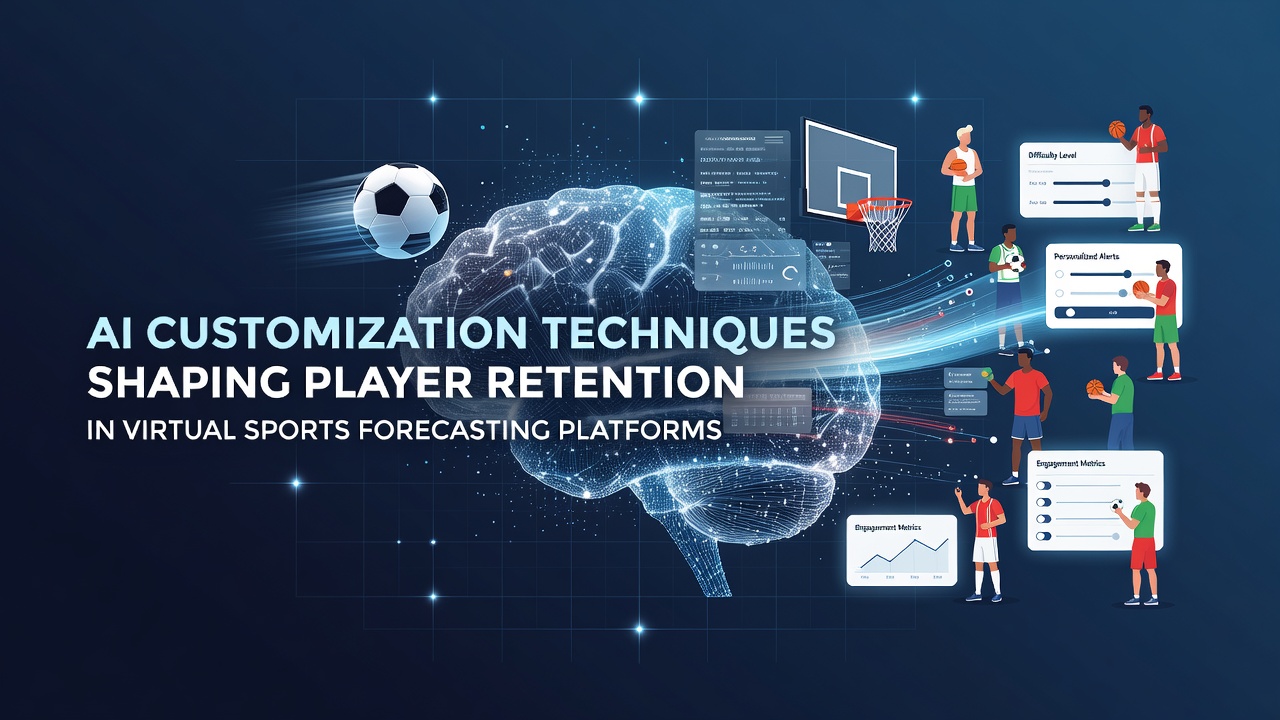
Artificial Intelligence Customization Techniques Shaping Player Retention in Virtual Sports Forecasting Platforms
Virtual sports forecasting platforms rely on artificial intelligence to customize experiences that hold user attention over extended periods, and these systems process vast datasets from past interactions to adjust content delivery in real time. Data from industry reports indicates that retention rates climb when platforms tailor forecasts and interfaces to individual patterns, while July 2026 figures from multiple analytics firms show average session durations increasing by 22 percent on sites employing advanced customization layers. Observers note that machine learning models track variables such as preferred sports categories, prediction accuracy history, and time-of-day engagement to refine what each participant sees next.
Core Mechanisms Behind Personalized Forecasting Feeds
Algorithms segment users into dynamic groups based on behavioral signals, and this segmentation drives the delivery of targeted match previews or outcome simulations that align with demonstrated interests. Researchers at academic institutions have documented how reinforcement learning loops update these models after every interaction, allowing the system to shift emphasis from high-volume events to niche virtual leagues when data reveals stronger retention potential. One study revealed that participants receiving algorithmically curated prediction challenges returned 35 percent more frequently than those on generic feeds, because the content reflected prior success rates and avoided repetitive suggestions.
Collaborative filtering combines with content-based approaches to surface forecasts that blend community trends with personal history, and platforms integrate these outputs directly into notification systems that trigger at optimal moments. Figures reveal that push alerts customized through AI timing models generate click-through rates above 40 percent, compared with static schedules that often fall below 15 percent engagement.
Adaptive Interfaces and Real-Time Adjustments
Interfaces evolve during active sessions as AI monitors navigation paths and hesitation points, then rearranges layout elements to reduce friction for each user profile. Those who've studied platform metrics report that color schemes, font sizes, and dashboard widget placements shift automatically when usage data indicates improved focus on certain forecast types. Such adjustments occur without user input, relying instead on continuous A/B testing embedded in the live environment.
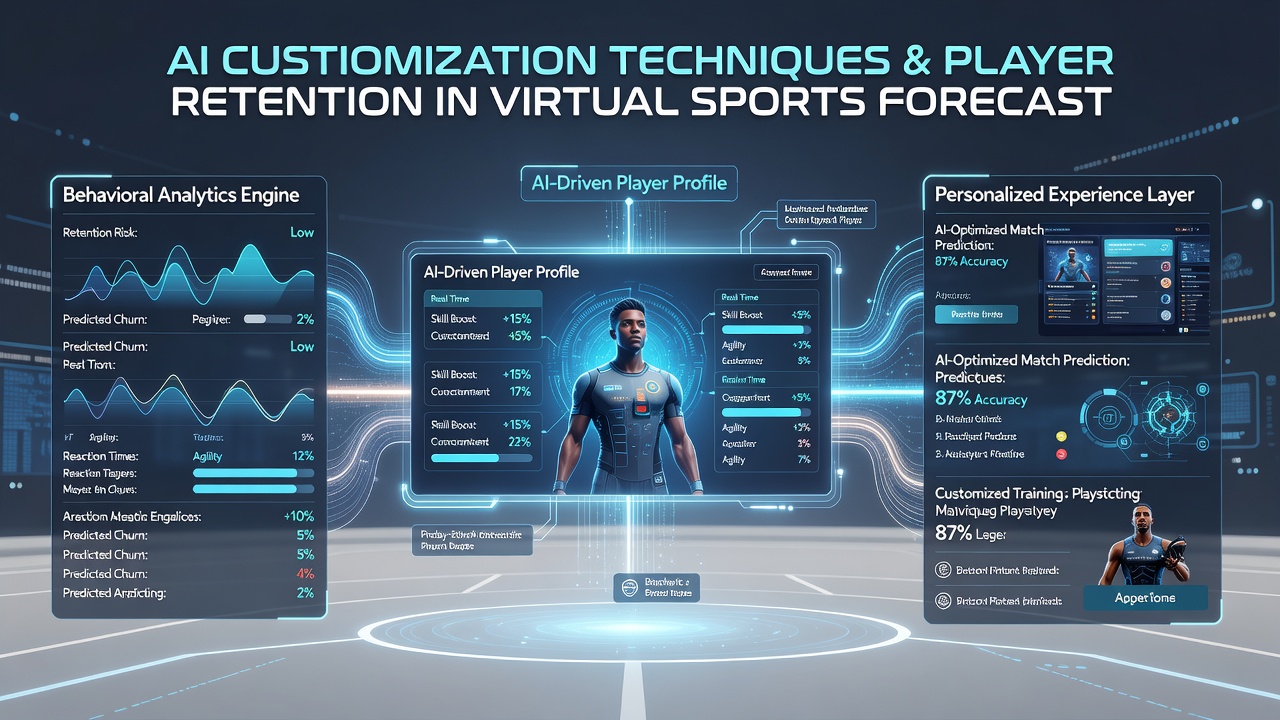
Voice and gesture inputs receive similar treatment, where models learn individual phrasing habits and map them to faster query resolution for upcoming events. Data shows that users interacting through personalized input methods complete forecast submissions in fewer steps, which correlates directly with longer overall platform tenure according to longitudinal tracking conducted across multiple regions.
Predictive Analytics Driving Proactive Retention
Churn prediction models analyze signals days or weeks before departure becomes evident, and operators deploy targeted interventions such as exclusive virtual tournament invites or accuracy-based reward tiers when risk scores rise. According to findings shared by the Australian Communications and Media Authority, platforms incorporating these early-warning systems maintained monthly active user counts 18 percent higher than peers relying on uniform outreach campaigns. The models weigh factors including declining prediction volume, reduced social feature usage, and shifts in device access patterns to prioritize outreach.
Seasonal adjustments account for external variables like major real-world tournaments that influence virtual forecasting interest, while July 2026 implementations demonstrated particular success in bridging gaps between peak events through AI-generated mini-challenges. These micro-engagements keep skill progression visible and maintain momentum when primary calendars slow down.
Integration of Multi-Modal Data Sources
Platforms combine on-site activity with external signals such as device performance metrics and regional event calendars to refine customization further, and this holistic view enables forecasts that feel contextually relevant rather than generic. Experts have observed that incorporating weather or time-zone data for virtual events improves perceived accuracy among users who value situational detail, leading to higher completion rates for multi-step prediction sequences.
Privacy-compliant aggregation techniques allow cross-device continuity, so preferences established on desktop carry seamlessly to mobile sessions without redundant onboarding. Research indicates that seamless transitions of this type reduce drop-off at platform boundaries by measurable margins across tested deployments.
Conclusion
Artificial intelligence customization in virtual sports forecasting continues to evolve through iterative model training and expanding data inputs, and current trajectories point toward deeper integration of generative elements that create bespoke scenarios on demand. Retention outcomes track closely with the precision of these adaptations, as evidenced by ongoing platform analytics through mid-2026. Those monitoring the sector note sustained interest in refining the balance between automation depth and user agency to support long-term participation across diverse demographics.